


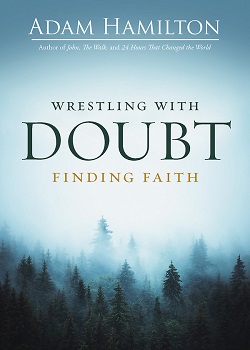
Having Doubts?


Big Faith


Matthew

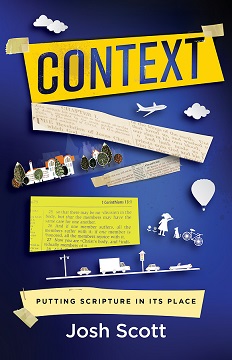



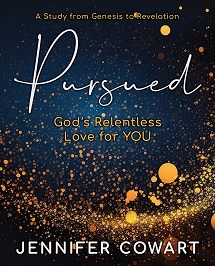


.jpg)





A streaming service allowing churches to pursue their mission with greater impact.
.jpg)
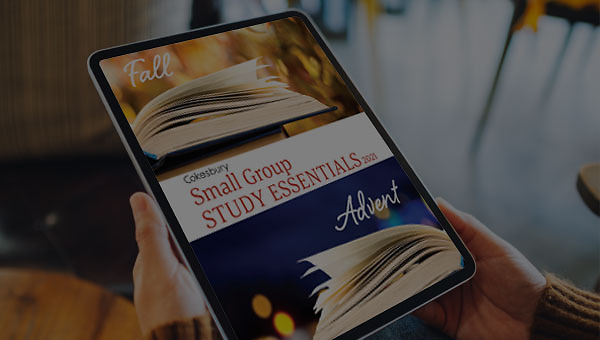
Welcome to Cokesbury Christian bookstore and Bible store! Since its founding in 1789, Cokesbury has been in the business of providing Christian resources for churches, pastors and those they serve. For over 200 years, it has been a trusted source of thousands of unique products including Bibles, books, and church studies, as well as church resources and church supplies. It serves Methodists worldwide as well as a broad ecumenical audience representing numerous denominations and independent churches.
Cokesbury’s Bible store offers a large selection of Bibles for readers of all ages and in numerous translations, plus Bible reference books, commentaries, devotionals, and prayer books. But we’re not just a Bible store; we’re also a Christian bookstore. We provide an extensive range of books for Christians of all ages in all stages of faith — from beginners to those who have been walking with Christ for many years — and for pastors and church leaders. You’ll find books from renowned authors such as Max Lucado, Adam Hamilton, and Amy-Jill Levine covering topics as varied as faith formation, discipleship, preaching, sermon preparation, worship, leadership, theology, social issues, relationships, and much more.
To help grow faith, we offer online and print Bible studies and Sunday school curriculum for small groups, individuals, churchwide, multigenerational, children and youth, women, and more. Church studies and topical, Bible-based studies encompass the whole of Christian experience: belief and spiritual growth; prayer, devotion, social issues, Christian community, family and relationships, leadership, Lent & Easter and Advent / Christmas themed studies, Disciple Bible Studies, United Methodist and Wesleyan studies, church growth, outreach, stewardship, and VBS.
Cokesbury is committed to providing the highest quality church supplies for all the worship spaces in your church and in its classrooms — so things can run more smoothly while still staying within budget. We offer essential supplies like: crosses; bulletins, stationery, and certificates; planners and calendars; attendance and visitor supplies; altarware; candles; offering supplies; paraments, banners / flags, and signs; stoles, robes, and apparel; choir robes and supplies; supplies for Communion, baptism, funerals / memorials, weddings, confirmation, and special services; plus gifts, furnishings; and more.
The Cokesbury Team is committed to helping Christians deepen their relationship with God and strengthen and grow their faith and to provide pastors, church leaders, staff, and volunteers with the quality materials, guidance, services, and support they need to serve. Peruse our website, printed and online ecatalogs, and online comparison planning guides to discover all the quality Christian resources at reasonable prices that have your church and ministry in mind! For ease of ordering, shop from our website with live chat assistance or place your order by phone. In addition to our everyday value prices, you’ll find flexible funding options like interest-free charge accounts, payment plans, subscription services, free shipping, and supply subscriptions discount. And don’t forget Ministry Matters (a subscription service for leaders with articles, blogs, book reviews, and weekly worship and preaching helps) and Amplify Media (a multimedia platform that enables churches to discover, customize, and share diverse resources).